
Top Rated Residential Mental Health Facilities for Severe Anxiety sets the stage for this enthralling narrative, offering readers a glimpse into a story that is rich in detail and brimming with originality from the outset.
As we delve deeper, we will uncover the key criteria, specialized programs, staff qualifications, amenities, and the role they play in providing top-notch care for individuals battling severe anxiety.
Top Rated Residential Mental Health Facilities for Severe Anxiety
When selecting the top-rated residential mental health facilities for severe anxiety, several key criteria are considered to ensure the best quality of care and treatment for individuals facing this condition. These criteria typically include:
Criteria for Determining Top-Rated Facilities
- Accreditation and Licensing: Facilities must be accredited and licensed to ensure they meet industry standards and regulations.
- Qualified Staff: Top-rated facilities have a team of mental health professionals, including psychiatrists, psychologists, and therapists, with expertise in treating severe anxiety.
- Evidence-Based Therapies: Facilities offer evidence-based therapies such as cognitive-behavioral therapy (CBT), dialectical behavior therapy (DBT), and exposure therapy.
- Individualized Treatment Plans: Treatment plans are tailored to the specific needs of each individual, considering their unique symptoms and challenges.
- Aftercare Support: Top facilities provide aftercare support and resources to help individuals transition back to their daily lives after treatment.
Importance of Choosing a Top-Rated Facility
Choosing a top-rated residential mental health facility for severe anxiety is crucial as it ensures that individuals receive the highest quality of care and support for their condition. These facilities offer specialized treatment programs, experienced staff, and a therapeutic environment that is conducive to healing and recovery.
Therapies and Treatments Offered
- Cognitive-Behavioral Therapy (CBT): This therapy helps individuals identify and change negative thought patterns and behaviors contributing to their anxiety.
- Medication Management: Psychiatric medications may be prescribed to help manage severe anxiety symptoms.
- Exposure Therapy: This therapy involves gradually exposing individuals to anxiety-provoking situations to help them overcome their fears.
- Mindfulness-Based Stress Reduction: Techniques such as mindfulness meditation and yoga are used to reduce stress and promote relaxation.
- Group Therapy: Group therapy sessions provide individuals with support, encouragement, and the opportunity to learn from others facing similar challenges.
Specialized Programs and Services
 When it comes to addressing severe anxiety in residential mental health facilities, specialized programs and services play a crucial role in providing targeted care for individuals in need. These programs are designed to cater to the specific needs of those with severe anxiety and offer a comprehensive approach to treatment.
Role of Individualized Treatment Plans
Individualized treatment plans are essential in addressing severe anxiety as they take into account the unique challenges and triggers of each individual. By tailoring treatment strategies to the specific needs of the person, these plans can be more effective in managing symptoms and promoting long-term recovery.- Individual therapy sessions to address underlying issues and develop coping strategies
- Exposure therapy to gradually confront fears and anxieties in a controlled environment
- Medication management to alleviate symptoms and support overall mental health
- Group therapy to provide peer support and share experiences with others facing similar challenges
By creating personalized treatment plans, residential mental health facilities can better target the root causes of severe anxiety and empower individuals to manage their condition effectively.
Effectiveness of Specialized Programs vs. General Treatment Approaches
Specialized programs for severe anxiety have shown to be more effective compared to general mental health treatment approaches. This is because they are tailored to address the specific needs and symptoms associated with severe anxiety, providing a more targeted and comprehensive approach to care.- Specialized programs focus on evidence-based practices that have been proven to be effective for severe anxiety
- Individualized treatment plans allow for a more personalized and holistic approach to care
- Specialized staff with expertise in treating severe anxiety can provide specialized support and guidance
- Greater emphasis on coping strategies and relapse prevention techniques specific to severe anxiety
Staff Qualifications and Expertise
In a top-rated residential mental health facility for severe anxiety, it is essential for staff members to possess the necessary qualifications and expertise to provide effective care and support to individuals struggling with severe anxiety. A multidisciplinary team consisting of professionals with diverse backgrounds and specialties plays a crucial role in treating individuals with severe anxiety. This team approach ensures that patients receive comprehensive care that addresses their physical, emotional, and psychological needs.Psychiatrists
- Psychiatrists are medical doctors specialized in diagnosing and treating mental health disorders, including severe anxiety. They play a key role in prescribing medications and developing treatment plans tailored to each patient's needs. - Psychiatrists work closely with other members of the treatment team to monitor the effectiveness of medications and make necessary adjustments to ensure optimal outcomes for patients.Psychologists
- Psychologists are trained in providing therapy and counseling to individuals with mental health issues, including severe anxiety. They use evidence-based therapeutic approaches to help patients manage their symptoms and improve their overall well-being. - Psychologists work collaboratively with patients to identify triggers, develop coping strategies, and enhance resilience in dealing with anxiety-provoking situations.Licensed Clinical Social Workers
- Licensed clinical social workers (LCSWs) provide valuable support to individuals with severe anxiety by offering counseling, advocacy, and resource coordination. They help patients navigate challenges, access community services, and build a strong support network. - LCSWs collaborate with other team members to address social determinants of health and promote holistic healing for individuals struggling with severe anxiety.Registered Nurses
- Registered nurses play a vital role in monitoring patients' physical health, administering medications, and providing compassionate care in a residential mental health facility. They work closely with psychiatrists and other team members to ensure patients' safety and well-being. - Registered nurses also educate patients about their medications, symptoms management, and self-care practices to empower them in their recovery journey.Amenities and Environment
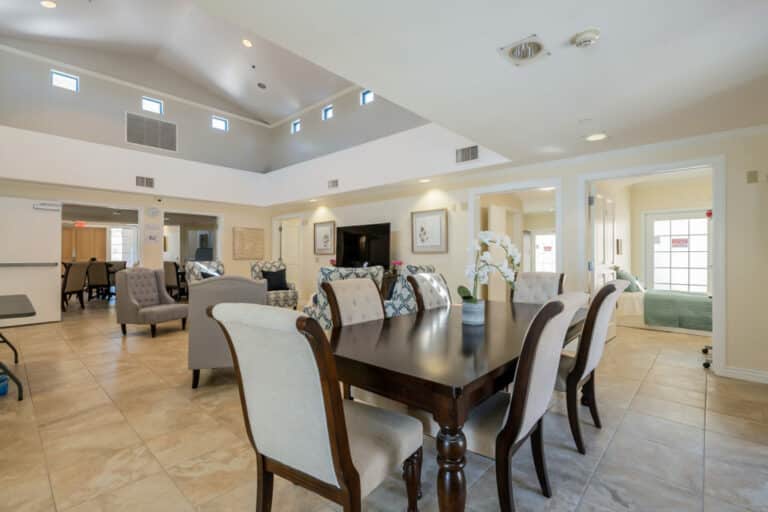
Creating a healing and supportive environment is crucial for individuals dealing with severe anxiety in a residential mental health facility. The amenities and overall environment play a significant role in promoting healing and recovery.
Role of a Supportive and Calming Environment
A supportive and calming environment is essential in the treatment process for individuals with severe anxiety. It helps reduce stress levels, promotes relaxation, and creates a sense of safety and security, which are vital for the well-being of residents.
Outdoor Spaces and Recreational Activities
- Outdoor spaces provide residents with opportunities for fresh air, sunlight, and connection with nature, which can have a positive impact on mental health.
- Engaging in recreational activities such as yoga, meditation, art therapy, or sports can help individuals with severe anxiety manage their symptoms and improve their overall well-being.
Comfortable Living Quarters
- Comfortable living quarters offer residents a sense of privacy, security, and comfort, which are essential for relaxation and recovery.
- A well-designed living space can contribute to a feeling of home-like comfort, helping residents feel more at ease and supported during their treatment.
Last Word
In conclusion, the journey through Top Rated Residential Mental Health Facilities for Severe Anxiety has shed light on the vital aspects that contribute to effective treatment and support. Embracing a multidisciplinary approach, tailored programs, and a nurturing environment are paramount in aiding individuals on their path to recovery.
Common Queries
What criteria are used to determine the top-rated residential mental health facilities for severe anxiety?
The criteria often include success rates, accreditation, quality of staff, range of therapies offered, and patient reviews.
How important is it to choose a top-rated facility for individuals with severe anxiety?
Selecting a top-rated facility ensures access to expert care, proven treatment methods, and a supportive environment crucial for effective recovery.
What amenities and environments contribute to promoting healing for individuals with severe anxiety?
Amenities like outdoor spaces, recreational activities, and comfortable living quarters, coupled with a supportive and calming environment, play a significant role in the healing process.