
As What to Expect from Clinical Mental Health Counseling Sessions takes center stage, this opening passage beckons readers with casual formal language style into a world crafted with good knowledge, ensuring a reading experience that is both absorbing and distinctly original.
The content of the second paragraph that provides descriptive and clear information about the topic
Overview of Clinical Mental Health Counseling
Clinical mental health counselors play a crucial role in helping individuals navigate and overcome various mental health challenges. They provide a safe and supportive environment for clients to explore their thoughts, feelings, and behaviors.
Role of a Clinical Mental Health Counselor
A clinical mental health counselor assesses clients' mental health needs, develops treatment plans, and offers therapy to address a wide range of issues such as depression, anxiety, trauma, and relationship issues.
Common Mental Health Issues
Some common mental health issues addressed in counseling sessions include:
- Depression
- Anxiety disorders
- Post-traumatic stress disorder (PTSD)
- Substance abuse
- Eating disorders
Confidentiality in Counseling Sessions
Confidentiality is a fundamental aspect of counseling sessions, as it helps build trust between the counselor and the client. Clients can feel safe knowing that their personal information will not be disclosed without their consent, except in cases where there is a risk of harm to themselves or others.
Structure of Counseling Sessions
A typical counseling session involves the client and counselor engaging in a conversation where the client can freely express their thoughts and emotions. The counselor may use various therapeutic techniques to help the client gain insights, develop coping skills, and work towards their goals.
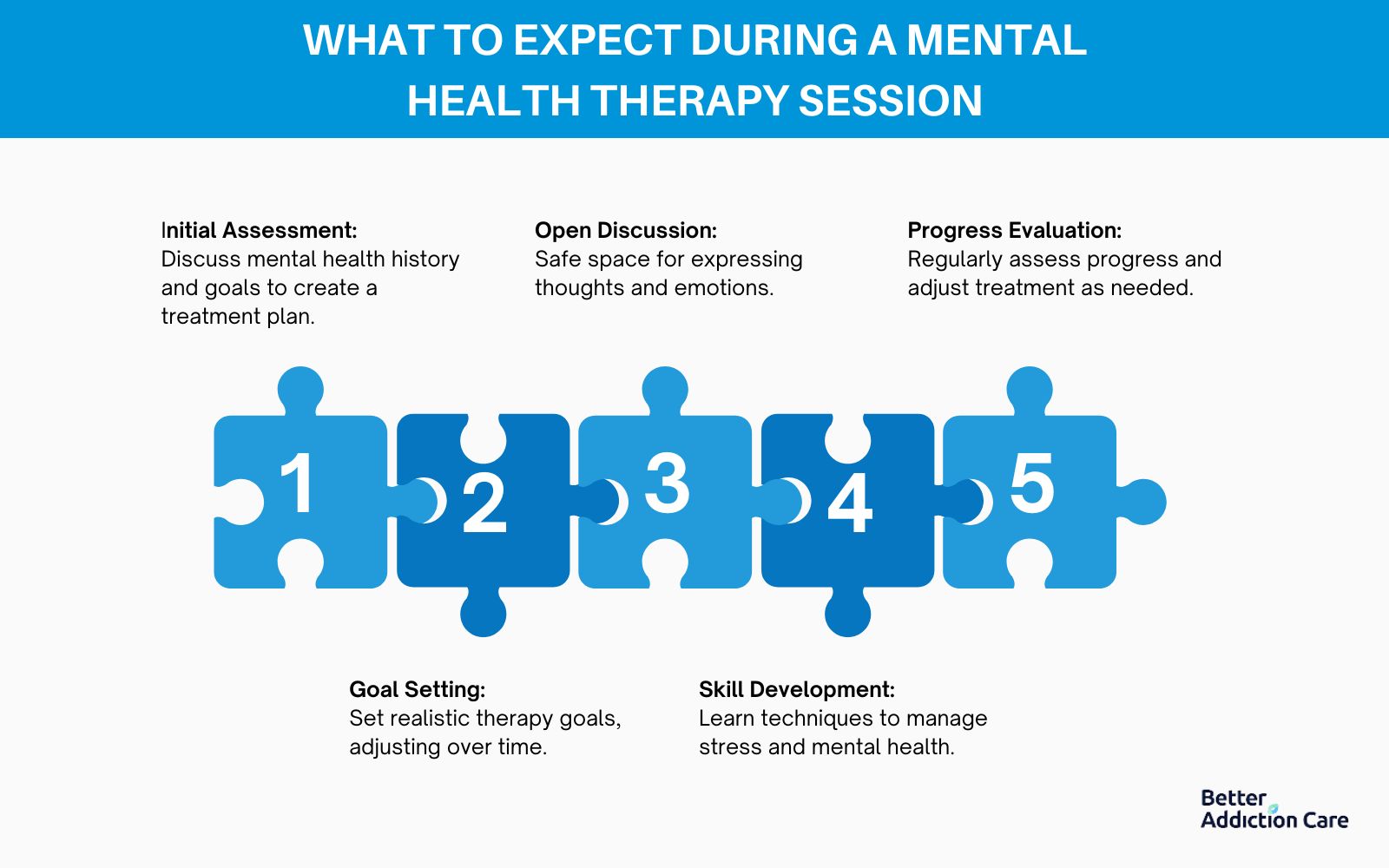
What to Expect in the Initial Session
In the initial session of clinical mental health counseling, clients can expect a structured process that aims to gather important information, set goals, and establish a strong rapport with the counselor.Intake Process and Information Collection
During the first counseling session, clients will typically go through an intake process where the counselor collects essential information to better understand the client's background, current concerns, and goals for therapy. This may involve filling out paperwork, discussing personal and family history, mental health symptoms, and any previous experiences with counseling or therapy.Goal-Setting Process
Goal-setting is a crucial aspect of the initial session in clinical mental health counseling. Counselors work with clients to identify specific, measurable, achievable, relevant, and time-bound (SMART) goals that they want to achieve through therapy. These goals serve as a roadmap for the counseling process, guiding the sessions and measuring progress along the way.Establishing Rapport
Establishing rapport is essential in the initial session as it lays the foundation for a trusting and therapeutic relationship between the client and the counselor. Counselors may use active listening, empathy, validation, and non-judgmental support to create a safe and supportive environment where clients feel comfortable sharing their thoughts, feelings, and experiences. Building rapport helps clients feel understood, valued, and motivated to engage in the counseling process effectively.Techniques and Approaches Used in Counseling
 In clinical mental health counseling, various therapeutic approaches are utilized to help clients improve their mental well-being. These approaches are tailored to meet the individual needs of each client and are often evidence-based to ensure effectiveness.
Cognitive Behavioral Therapy (CBT)
- CBT is a widely used approach that focuses on changing negative thought patterns and behaviors to improve emotional regulation.
- Therapists work with clients to identify and challenge distorted thinking, ultimately leading to more positive behaviors and emotions.
- CBT is often used to treat anxiety disorders, depression, and other mood disorders.
Mindfulness
- Mindfulness techniques involve being present in the moment and accepting thoughts and feelings without judgment.
- Practicing mindfulness can help clients reduce stress, improve focus, and enhance overall well-being.
- Therapists may incorporate mindfulness exercises into sessions to help clients develop greater self-awareness and emotional regulation.
Tailoring Counseling Approaches
- Counselors adapt their approach based on the unique needs and preferences of each client.
- Through initial assessments and ongoing discussions, therapists customize treatment plans to best support the client's goals and challenges.
- Flexibility in approach ensures that clients receive personalized care that resonates with them.
Importance of Evidence-Based Practices
- Utilizing evidence-based practices means that counselors rely on techniques and interventions that have been scientifically proven to be effective.
- These practices are supported by research and clinical studies, providing assurance that the methods used in counseling have a strong foundation in empirical evidence.
- By prioritizing evidence-based approaches, counselors can offer clients the most effective and reliable treatments available.
Setting Goals and Tracking Progress
Setting goals and tracking progress are essential components of clinical mental health counseling sessions. Counselors work collaboratively with clients to establish clear and achievable treatment goals to guide the therapeutic process.
Collaborative Goal-Setting Process
During the initial sessions, counselors engage in discussions with clients to identify areas of concern and establish specific goals that the client aims to achieve. These goals are tailored to the individual's needs, preferences, and strengths, ensuring that they are realistic and relevant to the client's therapeutic journey.
Tracking Progress and Adjusting Goals
Throughout the counseling process, counselors regularly assess the client's progress towards their established goals. By monitoring changes in thoughts, feelings, and behaviors, counselors can determine the effectiveness of interventions and make necessary adjustments to the treatment plan. This ongoing evaluation ensures that the therapy remains aligned with the client's evolving needs and objectives.
Measuring Effectiveness of Interventions
Counselors use various tools and techniques to measure the effectiveness of interventions. They may employ outcome measures, self-assessment surveys, or feedback from clients to evaluate the impact of therapeutic techniques on the client's well-being and progress towards their goals.
Goal-Setting Strategies
- SMART Goals: Counselors often utilize the SMART criteria (Specific, Measurable, Achievable, Relevant, Time-bound) to create clear and focused treatment goals.
- Collaborative Approach: Involving clients in the goal-setting process promotes ownership and motivation to work towards achieving the identified objectives.
- Celebrating Milestones: Recognizing and celebrating small achievements along the way can boost the client's confidence and motivation to continue progressing towards their larger goals.
Last Recap
The content of the concluding paragraph that provides a summary and last thoughts in an engaging manner
Answers to Common Questions
What can I expect during my first counseling session?
During your first session, you can expect the counselor to go over confidentiality, intake forms, and begin building rapport with you.
How do counselors measure progress in counseling sessions?
Counselors track progress by setting goals, discussing achievements, and adjusting treatment plans accordingly.
What are some common therapeutic approaches used in clinical mental health counseling?
Common approaches include Cognitive Behavioral Therapy (CBT), Mindfulness, and Dialectical Behavior Therapy (DBT).