
Embark on a journey through the realm of Practical Coping Mechanisms for Overcoming Severe Mental Suffering, where we unravel effective strategies to navigate the complex landscape of mental health challenges.
Delve into the nuances of coping mechanisms, personalized techniques, and the crucial role of seeking professional help in overcoming severe mental suffering.
Understanding Severe Mental Suffering
Severe mental suffering refers to intense emotional or psychological distress that significantly impacts an individual's well-being and daily functioning. It goes beyond temporary feelings of sadness or stress and often requires professional intervention for management and treatment.Conditions Leading to Severe Mental Suffering
- Post-Traumatic Stress Disorder (PTSD): Individuals who have experienced or witnessed traumatic events may develop severe mental suffering in the form of flashbacks, nightmares, and severe anxiety.
- Major Depressive Disorder: Persistent feelings of sadness, hopelessness, and loss of interest in activities can lead to severe mental suffering, affecting one's ability to function normally.
- Generalized Anxiety Disorder: Excessive worry and anxiety about various aspects of life can escalate to severe mental suffering, causing physical symptoms like insomnia and muscle tension.
- Borderline Personality Disorder: Intense mood swings, unstable relationships, and a distorted self-image can contribute to severe mental suffering and emotional dysregulation.
Impact of Severe Mental Suffering
Severe mental suffering can have profound effects on an individual's daily life, including:- Impaired work or school performance due to difficulties concentrating and making decisions.
- Social isolation and strained relationships with family and friends due to emotional instability and unpredictable behavior.
- Physical health issues such as chronic pain, headaches, and digestive problems resulting from the mind-body connection.
- Risk of self-harm or suicide as a way to cope with overwhelming emotional pain and distress.
Identifying Coping Mechanisms
Identifying coping mechanisms is crucial for individuals dealing with severe mental suffering as it helps them navigate through challenging times and improve their overall well-being. These coping strategies can vary from person to person, highlighting the importance of personalized approaches tailored to individual needs.Cognitive Coping Strategies
- Practice mindfulness and grounding techniques to stay present and manage overwhelming emotions.
- Challenge negative thoughts and beliefs through cognitive restructuring and reframing exercises.
- Engage in positive self-talk and affirmations to promote self-esteem and resilience.
Behavioral Coping Strategies
- Establish a routine and structure in daily activities to create a sense of stability and control.
- Engage in relaxation techniques such as deep breathing, meditation, or yoga to reduce stress and anxiety levels.
- Seek social support from friends, family, or support groups to feel connected and understood during difficult times.
Emotional Coping Strategies
- Express emotions through creative outlets like art, music, or writing to process and release pent-up feelings.
- Practice self-care activities that promote relaxation and comfort, such as taking a warm bath or going for a walk in nature.
- Engage in activities that bring joy and fulfillment, focusing on moments of positivity and gratitude.
Practical Coping Techniques
When dealing with severe mental suffering, it is essential to have practical coping techniques that can help alleviate the distress and improve overall well-being. These techniques focus on managing emotions, reducing anxiety, and promoting a sense of calmness.
Mindfulness and Deep Breathing
Practicing mindfulness and deep breathing exercises can be effective in calming the mind and reducing stress levels. Mindfulness involves being fully present in the moment, paying attention to thoughts and feelings without judgment. Deep breathing techniques help regulate the body's response to stress and promote relaxation.
Physical Activity and Mental Health
Engaging in regular physical activity has been shown to have a positive impact on mental health. Exercise releases endorphins, which are known as "feel-good" hormones, and can help reduce symptoms of anxiety and depression. Whether it's going for a walk, practicing yoga, or hitting the gym, staying active can greatly benefit overall well-being.
Establishing a Routine and Setting Goals
Creating a daily routine and setting small achievable goals can provide structure and a sense of accomplishment. Routine helps establish stability and predictability, which can be comforting during times of mental distress. Setting goals, no matter how small, gives a sense of purpose and motivation to work towards something positive.
Seeking Professional Help
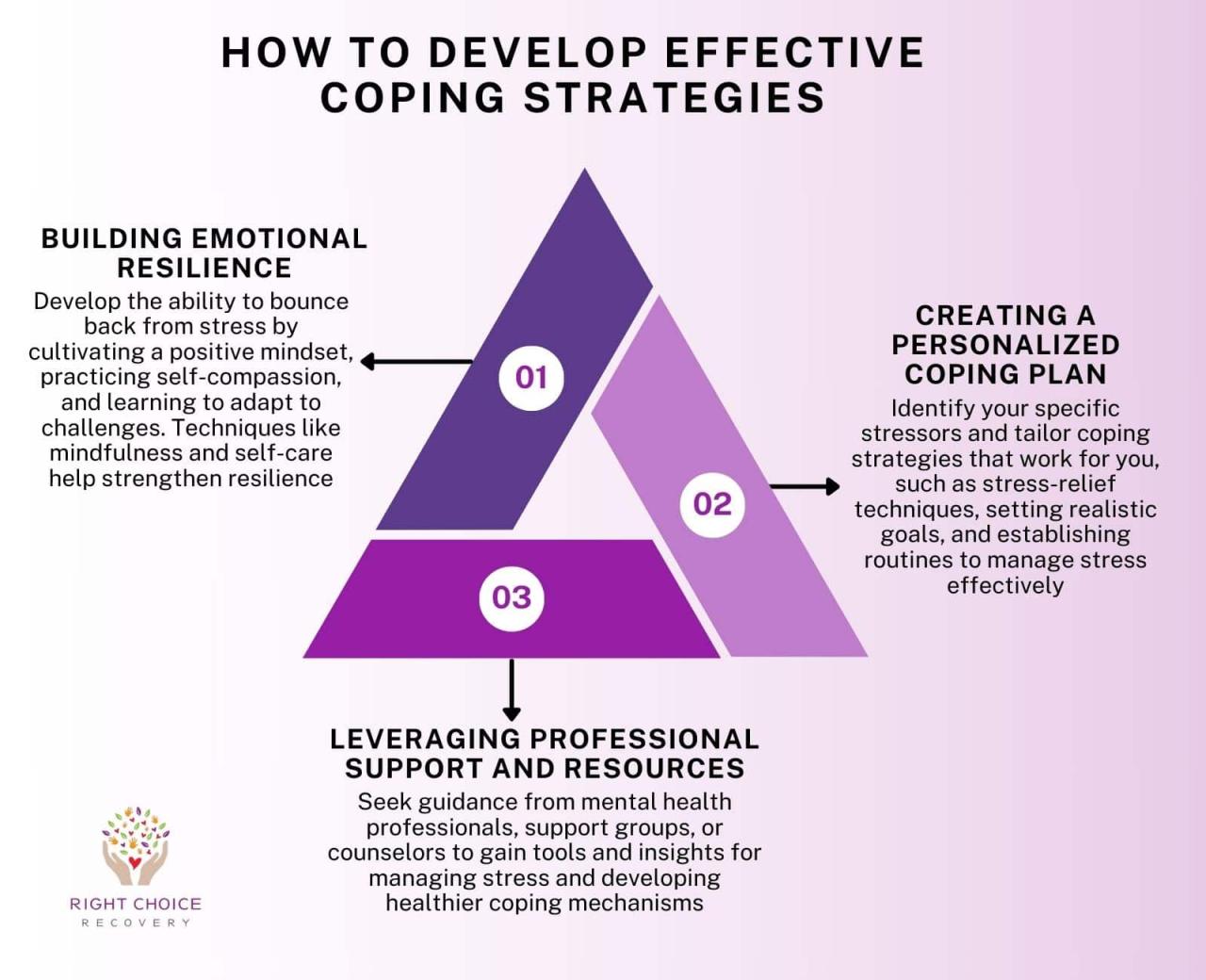 Seeking professional help is crucial when coping with severe mental suffering as it can provide personalized support, guidance, and resources to help manage and overcome challenges effectively. Mental health professionals are trained to address various mental health issues and can offer valuable expertise and assistance in navigating difficult emotions and experiences.
Types of Mental Health Professionals
- Psychiatrists: Medical doctors specialized in mental health who can prescribe medication and provide therapy.
- Psychologists: Professionals trained in psychotherapy and psychological testing to help individuals understand and manage their thoughts, emotions, and behaviors.
- Counselors: Trained professionals who offer guidance and support through counseling sessions to address emotional and mental health concerns.
- Social Workers: Professionals who provide support and resources to individuals and families facing mental health challenges, often helping to access community services and resources.
Finding the Right Therapist or Counselor
- Research different therapists or counselors in your area and read reviews to determine their expertise and approach.
- Consider their specialization and experience in dealing with specific mental health issues that align with your needs.
- Arrange an initial consultation to assess their compatibility with your personality and communication style.
- Discuss treatment options, therapy techniques, and goals to ensure a collaborative and effective therapeutic relationship.
Closure
As we conclude our exploration of Practical Coping Mechanisms for Overcoming Severe Mental Suffering, remember that each step towards healing and resilience is a testament to your strength and perseverance.
Popular Questions
What are some effective coping mechanisms for severe mental suffering?
Effective coping mechanisms include mindfulness, deep breathing exercises, journaling, physical activity, and establishing a routine with achievable goals.
How do I find the right therapist or counselor for my needs?
To find the right professional help, consider factors like their specialization, experience, approach to therapy, and personal compatibility with your needs and preferences.