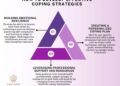

Delving into Clinical Mental Health Counseling: Is It the Right Career for You?, this introduction immerses readers in a unique and compelling narrative, with casual formal language style that is both engaging and thought-provoking from the very first sentence.
The content of the second paragraph that provides descriptive and clear information about the topic
Overview of Clinical Mental Health Counseling
 Clinical Mental Health Counseling is a specialized field within the broader realm of mental health counseling that focuses on diagnosing and treating various mental health issues. Clinical Mental Health Counselors work with individuals, couples, families, and groups to address emotional, psychological, and behavioral challenges.
Role and Responsibilities of a Clinical Mental Health Counselor
Clinical Mental Health Counselors provide therapy and support to clients dealing with issues such as anxiety, depression, trauma, addiction, and relationship problems. They conduct assessments, develop treatment plans, and facilitate individual or group counseling sessions. Additionally, they may collaborate with other healthcare professionals and community resources to ensure comprehensive care for their clients.- Conducting assessments to diagnose mental health conditions
- Developing treatment plans tailored to each client's needs
- Providing individual or group therapy sessions
- Offering crisis intervention and support during emergencies
- Advocating for clients and connecting them with appropriate resources
Importance of Clinical Mental Health Counseling
Clinical Mental Health Counselors play a crucial role in today's society by helping individuals navigate the complexities of mental health issues and improve their overall well-being. With the increasing awareness and destigmatization of mental health, the demand for qualified counselors is on the rise. By providing evidence-based treatments and compassionate care, Clinical Mental Health Counselors contribute to the mental health and resilience of their clients, fostering healthier communities and relationships.Education and Training Required
Becoming a Clinical Mental Health Counselor requires a significant amount of education and training to ensure competence in providing mental health services to clients.Educational Path
Individuals interested in pursuing a career in Clinical Mental Health Counseling typically need to complete the following steps:
- Obtain a bachelor's degree in psychology, counseling, social work, or a related field.
- Complete a master's degree program in Clinical Mental Health Counseling or a similar field, which includes supervised clinical experience.
- Accumulate a certain number of supervised clinical hours as required by the state licensing board.
- Pass a state-recognized exam to become a Licensed Professional Counselor (LPC) or a Licensed Mental Health Counselor (LMHC).
Certifications and Licenses
After completing the necessary education and training, individuals must obtain the appropriate certifications and licenses to practice as a Clinical Mental Health Counselor:
- Obtaining a state license is mandatory to practice as a Clinical Mental Health Counselor.
- Special certifications, such as the National Certified Counselor (NCC) credential, can enhance credibility and job opportunities.
- Continuing education requirements must be met to maintain licenses and certifications.
Ongoing Training and Professional Development
Continuous learning and professional development are crucial in the field of Clinical Mental Health Counseling:
- Attending workshops, seminars, and conferences to stay updated on the latest research and practices in mental health counseling.
- Participating in supervision and consultation to enhance clinical skills and knowledge.
- Engaging in peer consultation and collaboration with other mental health professionals.
- Seeking specialized training in areas such as trauma-informed care, substance abuse counseling, or family therapy to broaden expertise.
Skills and Qualities Needed
To succeed in a career in Clinical Mental Health Counseling, it is essential to possess a unique set of skills and qualities that enable you to effectively help clients navigate their mental health challenges. These skills and qualities set you apart and make you a valuable asset in the field of mental health counseling.Empathy and Compassion
Empathy and compassion are crucial skills for a mental health counselor. Being able to understand and share the feelings of your clients helps build trust and rapport, creating a safe space for them to open up about their struggles.- Active listening to understand the client's perspective
- Showing genuine care and concern for the client's well-being
- Validating the client's emotions and experiences
Strong Communication Skills
Effective communication is key in counseling sessions. As a counselor, you must be able to convey information clearly, listen actively, and facilitate constructive dialogue to help clients explore their thoughts and emotions.- Articulating thoughts and ideas clearly
- Using non-verbal cues to enhance communication
- Asking open-ended questions to encourage self-reflection
Problem-Solving and Critical Thinking
Mental health counselors often work with clients facing complex challenges. The ability to think critically and problem-solve in real-time is essential for helping clients develop coping strategies and navigate difficult situations.- Identifying underlying issues contributing to mental health concerns
- Developing personalized treatment plans based on individual needs
- Adapting interventions based on client progress and feedback
Self-Awareness and Emotional Regulation
Maintaining your own mental well-being is crucial when supporting others through their mental health journey. Self-awareness and emotional regulation help counselors manage their own emotions and biases to provide unbiased and effective support to clients.- Recognizing personal triggers and biases that may impact counseling sessions
- Practicing self-care strategies to prevent burnout
- Seeking supervision and support when facing challenging cases
Work Settings and Specializations
Clinical Mental Health Counselors have the opportunity to work in a variety of settings, each offering unique challenges and rewards. Specializing in a particular area of mental health counseling can also provide a deeper understanding and expertise in that specific area.Work Settings
- Hospitals: Counselors in hospitals may work with patients dealing with acute mental health issues or post-traumatic stress.
- Private Practice: Many counselors choose to work independently, providing individual or group therapy sessions.
- Community Mental Health Centers: These centers offer counseling services to individuals in the community who may not have access to private care.
- Substance Abuse Treatment Facilities: Counselors in these settings help individuals struggling with addiction and co-occurring mental health disorders.
Specializations
- Child and Adolescent Counseling: Focusing on the unique mental health needs of children and teenagers.
- Marriage and Family Therapy: Working with couples and families to address relationship issues and improve communication.
- Trauma Counseling: Specializing in helping individuals cope with past traumatic experiences.
- Geriatric Counseling: Providing mental health support to the elderly population facing age-related challenges.
Pros and Cons:Each work setting and specialization comes with its own set of advantages and disadvantages. For example, working in a hospital setting may provide exposure to a wide range of mental health issues, but the fast-paced environment can be stressful. Specializing in trauma counseling can be rewarding as you help individuals heal from past experiences, but it may also be emotionally draining. It's essential to consider your interests, strengths, and personal preferences when choosing a work setting or specialization in clinical mental health counseling.
Challenges and Rewards
Working as a Clinical Mental Health Counselor comes with its own set of challenges and rewards that make it a unique and fulfilling career.
Challenges Faced by Clinical Mental Health Counselors
- Dealing with clients who may have severe mental health issues can be emotionally draining and challenging.
- Navigating complex ethical dilemmas and maintaining professional boundaries with clients can be difficult.
- Managing a heavy caseload while providing quality care to each client can lead to burnout and stress.
- Staying updated with the latest research and treatment modalities in the field requires continuous learning and professional development.
Emotional Rewards of Helping Individuals Through Counseling
- Witnessing the positive impact of your work on clients' lives and seeing them grow and heal can be incredibly rewarding.
- Building strong therapeutic relationships with clients and being a source of support and guidance in their time of need can create a deep sense of fulfillment.
- Celebrating clients' achievements, no matter how small, and being part of their journey towards mental wellness can bring immense joy.
Personal Anecdotes and Stories
One of the most memorable experiences I had as a Clinical Mental Health Counselor was when a client I had been working with for months finally had a breakthrough in therapy. Witnessing their transformation from a place of darkness to a place of hope and healing was truly remarkable. It reaffirmed my passion for this career and the meaningful impact it can have on individuals' lives.
Personal Reflection and Self-Assessment
When considering a career in Clinical Mental Health Counseling, it is essential to reflect on your own skills, values, and interests to determine if this path is the right fit for you. Self-assessment plays a crucial role in making an informed decision about pursuing a career in this field. Here are some key points to consider:Self-Assessment Checklist
- Do you possess strong communication and active listening skills?
- Are you empathetic and able to show compassion towards others?
- Do you have a genuine interest in helping individuals overcome mental health challenges?
- Are you able to remain calm and composed in stressful situations?
- Do you have the ability to maintain boundaries and confidentiality?
Seeking Mentorship or Shadowing Experiences
One way to gain more insight into the field of Clinical Mental Health Counseling is to seek mentorship or shadowing experiences with professionals already working in this field. By observing their day-to-day responsibilities and interactions with clients, you can better understand the demands and rewards of the profession. This hands-on experience can help you confirm if Clinical Mental Health Counseling aligns with your career goals and aspirations.
Last Point
The content of the concluding paragraph that provides a summary and last thoughts in an engaging manner
Query Resolution
What educational path is required to become a Clinical Mental Health Counselor?
To become a Clinical Mental Health Counselor, you typically need a master's degree in counseling or a related field, along with relevant clinical experience and licensing requirements in your state.
What are the key skills and qualities essential for success in Clinical Mental Health Counseling?
Some essential skills and qualities include empathy, active listening, communication skills, and the ability to establish trust with clients.
What are some common challenges faced by Clinical Mental Health Counselors?
Challenges may include dealing with clients in crisis, managing a heavy workload, and maintaining boundaries in the therapeutic relationship.